Guide · Wolf · All year
For more than a century the wolf was gone from the Netherlands. Now it is back, and that raises questions. Where does it live? Is it dangerous? How do you recognise a wolf? This guide sets out the facts.
How did the wolf return?
The wolf was wiped out in the Netherlands in the nineteenth century. Around 2000 it settled again in Germany, first in Lusatia in the east. Under legal protection the German population grew and young wolves moved further and further west. In 2015 a wild wolf was seen in the Netherlands again, and since 2019 cubs have been born on the Veluwe. Packs now live in several provinces, and the wolf has returned to Belgium too.
| Year | Event |
|---|---|
| 19th century | The wolf disappears from the Netherlands |
| Around 2000 | First pack in Germany, in Lusatia |
| 2015 | First wild wolf seen in the Netherlands in more than a century |
| 2019 | First cubs born on the Veluwe |
| Now | Packs in several provinces; also settled in Belgium |
Where does the wolf live?
The best-known area is the Veluwe, with its large forests and heathland and plenty of red deer, roe deer and wild boar. Wolves have also settled in other parts of the Netherlands, mainly in the east and north. Young wolves roaming in search of a territory can turn up almost anywhere, including open countryside. In Germany most wolves live in the north and east.
Exactly where packs live changes from year to year. For the latest situation, check the websites of the Dutch provinces and of BIJ12, which coordinates wolf monitoring in the Netherlands.
Wolf or dog? How to tell
| Feature | Wolf |
|---|---|
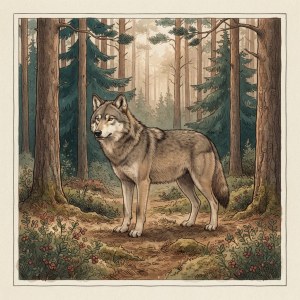
| Colour | Greyish brown, with a pale muzzle and throat |
| Build | Long legs, narrow chest, straight back |
| Tail | Hangs straight down with a dark tip; never curled |
| Ears | Upright, triangular and relatively small |
| Gait | Often walks in a straight line, hind feet stepping into the prints of the front feet |
What to do if you meet a wolf
The chance of seeing a wolf is small: wolves are shy and avoid people. If you do see one, it’s a special experience. Stay calm and follow these tips:
- Stand still and enjoy it from a distance. Don’t approach it and don’t run away.
- Is it coming closer? Make yourself big, talk loudly and slowly back away.
- Keep your dog on a lead and close to you. A dog running loose can provoke a wolf.
- Never feed a wolf. Wolves that get food from people lose their natural shyness.
- Report your sighting, for example via waarneming.nl or to the province. Your records help the monitoring.
The wolf and nature
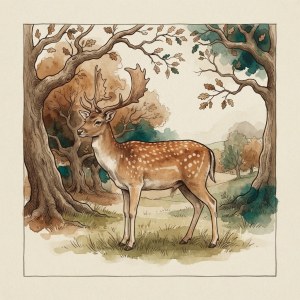
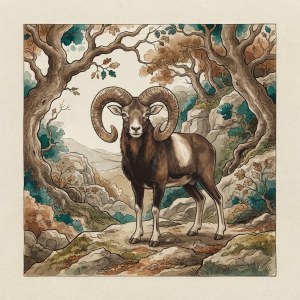
As an apex predator the wolf influences the whole forest. It mainly eats roe deer, red deer, wild boar and mouflon, often taking sick, weak or young animals. Grazers become more alert and spread out more, which in some places lets young trees grow better. Its return also causes tension, especially among sheep farmers. Good fencing and livestock guardian dogs help prevent damage.
Read all about the biology, behaviour and stories of the wolf on our wolf species page.
Frequently asked questions
Questions about the wolf in the Netherlands
Are wolves dangerous to people?
Wolves are naturally shy and avoid people. Wolves that get used to people, for example because they are fed, can become bolder. That is why you should never feed a wolf and always keep your distance.
Since when has the wolf been back in the Netherlands?
A wild wolf was seen in the Netherlands again in 2015. Since 2019 cubs have been born on the Veluwe.
Where are the wolves in the Netherlands?
Mainly on the Veluwe and in other large nature areas in the east and north of the country. Young wolves looking for a territory of their own can turn up elsewhere too.
How can you tell a wolf from a dog?
A wolf has longer legs, a narrower chest, a straight back and a tail that hangs straight down with a dark tip. It often walks in a straight line.
Can I let my dog off the lead in wolf areas?
The advice is to always keep your dog on a lead and close to you in areas with wolves. It’s safer for your dog and prevents confrontations.
What does a wolf eat?
Mainly roe deer, red deer, wild boar and mouflon. Sometimes sheep, if they are not well protected.
Habitat · Germany