Guide · North Sea & Wadden · All year
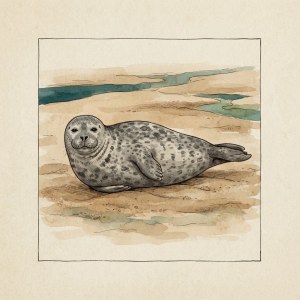
A row of seals on a sandbank, gazing back with big dark eyes: it is one of the finest wildlife experiences in the Netherlands. This guide tells you where to see seals, when the pups are born and how to watch them without disturbing them.
Two kinds of seal
| Harbour seal | Grey seal | |
|---|---|---|
| Head | Round, dog-like, short snout | Long, straight ‘Roman’ nose |
| Nostrils | V-shaped | Almost parallel |
| Size | Up to about 1.9 metres | Larger: males up to almost 3 metres |
| Pups | June and July | December and January |
The harbour seal is the best-known and most common species in the Wadden Sea. The grey seal is the largest predator living in the wild in the Netherlands.
Where can you see seals?
- Seal-watching trips in the Wadden Sea: boats sail to the sandbanks from places such as Texel, Terschelling, Ameland and Lauwersoog. This gives you the best chance.
- Zeeland: seals rest on sandbanks in the Oosterschelde and Westerschelde; boat trips are run here too.
- From the shore: with good binoculars you can sometimes spot seals at low tide on banks close to the coast or the dyke.
- Rescue centres: at places such as the Zeehondencentrum in Pieterburen and Ecomare on Texel you can see seals being cared for before they are released.
When is the best time?
| Tide | Around low tide they lie on the exposed sandbanks |
| Summer | Harbour seal pups (June–July); moulting in August |
| Winter | Grey seal pups (December–January) |
| All year | Seal trips run from many harbours almost all year round |
A pup alone on the beach?
Don’t touch it and keep your distance, with your dog too. The mother is often just out at sea feeding and will come back, but not while people are nearby. A seal can also bite hard. Not sure whether the animal needs help? Call a seal rescue centre, such as the Zeehondencentrum in Pieterburen, or the nearest local rescue.
Tips for a seal-watching trip
| Booking | Book ahead, especially in summer and school holidays |
| Bring | Binoculars, a windproof jacket and something warm, even in summer |
| Distance | Good skippers keep their distance from the sandbanks so the seals stay put |
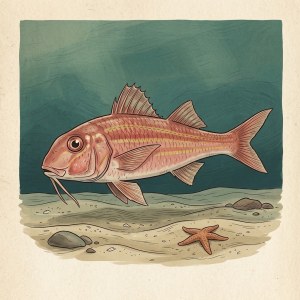
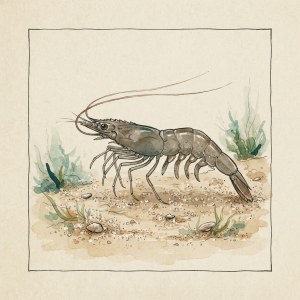
| Bonus | Many trips tow a small net, so you also see shrimp, crabs and fish up close |
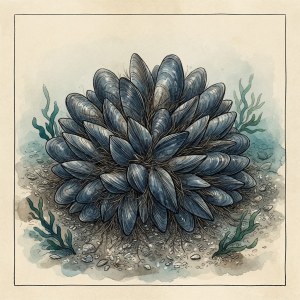
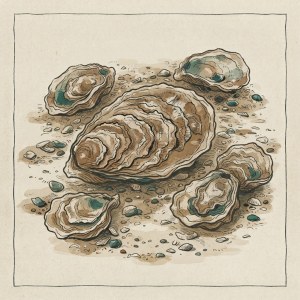
Discover other animals of the North Sea and the Wadden too, such as the brown shrimp, the blue mussel and the European flat oyster.
Frequently asked questions
Questions about seal spotting
Where can you see seals in the Netherlands?
In the Wadden Sea, for example on a seal-watching trip from Texel, Terschelling, Ameland or Lauwersoog, and in the Oosterschelde and Westerschelde in Zeeland.
When are seal pups born?
Harbour seals in June and July, grey seals in December and January.
What should I do if I see a seal on the beach?
Don’t touch it, keep your distance and keep your dog on a lead. If you’re unsure whether the animal needs help, call a seal rescue centre.
What is the difference between a harbour seal and a grey seal?
The harbour seal has a round head with a short snout and V-shaped nostrils. The grey seal is larger and has a long, straight nose.
What is the best time for a seal-watching trip?
Around low tide, when the sandbanks are exposed and the seals haul out on them. Boat operators usually plan their sailing times around this.
Habitat · The Netherlands