Mammal · Dehesa & sierra
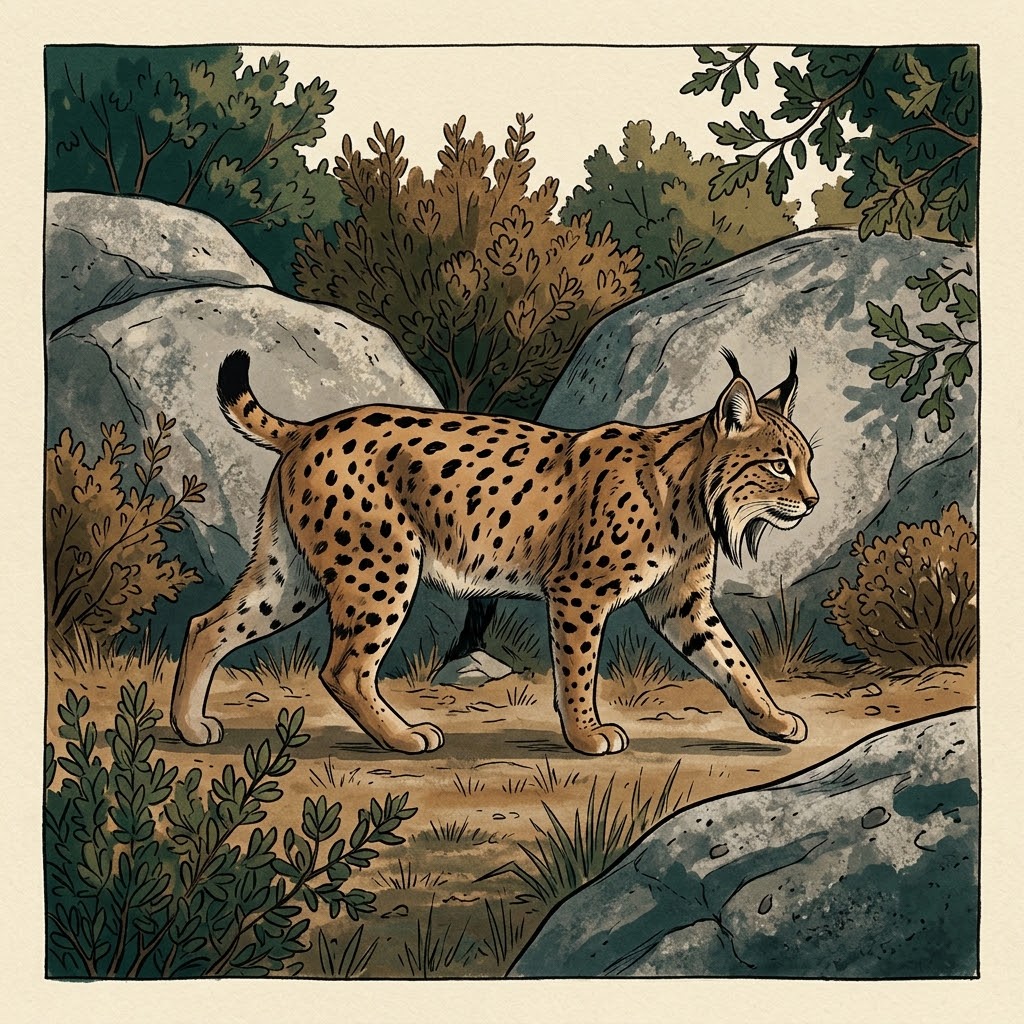
Lynx pardinus
● IUCN: vulnerable · strictly protected
In 2002 there were fewer than a hundred left, which made the Iberian lynx the rarest cat in the world. After twenty years of conservation work, Spain and Portugal counted at least 2,663 in 2025. It is one of Europe’s great recovery stories, and Spain is the place to see it for yourself.
| Habitat | Dehesa, Mediterranean scrub and rocky hills with plenty of rabbits |
| Size | 85–110 cm long plus a short tail; males around 13 kg, females around 9 kg |
| Active | Mostly at dusk and dawn; in winter also during the day |
Card I of IV
Ecological passport
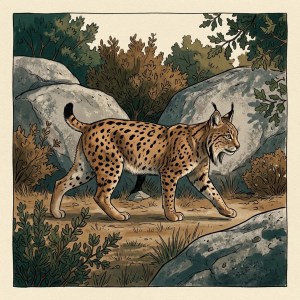
| Identification | Tawny coat with bold black spots, long black ear tufts, a broad facial ruff and a short black-tipped tail |
| Don’t confuse with | The Eurasian lynx of central and northern Europe, nearly twice as heavy and less boldly spotted; it does not occur in Spain |
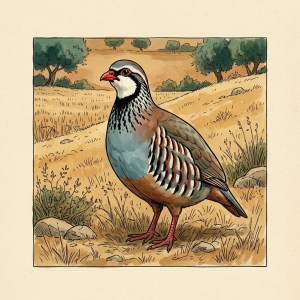
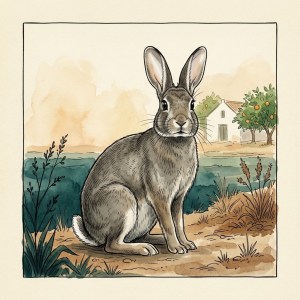
| Diet | 80 to 90 percent wild rabbits; occasionally a partridge, duck or young deer |
Where can you see them?
Difficulty: ●●●●● Hard
With patience, binoculars and the right month you have a real chance in Andújar. Expect long hours of watching from the roadside.
| Andalusia | Sierra de Andújar (Jaén), especially around the Jándula river and the El Encinarejo reservoir |
| Also good | The Montes de Toledo in Castilla-La Mancha, Doñana and the Matachel valley in Extremadura |
| Tip | Stay on the public road, keep your distance and never follow a lynx; local guides know the territories |
Did you know an Iberian lynx needs about one rabbit a day? A mother with kittens needs as many as three.
Card II of IV
Behaviour & season
The Iberian lynx is a solitary cat with a fixed territory, which it marks with scent and droppings in prominent spots along paths. It hunts by stalking and waiting, often from a rock or from cover. Winter is the mating season: lynxes are more restless, call to each other and show themselves more often in daylight. In spring the female usually has two or three kittens in a hollow tree or among boulders.
| December – February | Mating season; lynxes are more active and more often seen by day |
| March – April | Kittens born in a hidden den |
| Summer | Intense heat; lynxes rest by day and hunt at night |
| Autumn | Young lynxes leave to find a territory of their own |
When is the best time to see them?
| Jan | Feb | Mar | Apr | May | Jun | Jul | Aug | Sep | Oct | Nov | Dec |
| mating · best time | kittens | heat · mostly active at night | autumn | winter | |||||||
■ Good chance ■ Fair chance ■ Difficult
Card III of IV
Role in the ecosystem
The lynx’s fate is tied to the rabbit’s. When two viral diseases, myxomatosis in the 1950s and later rabbit haemorrhagic disease (RHD), caused rabbit numbers on the Iberian Peninsula to crash, the lynx crashed with them. Protecting the lynx therefore starts with rabbits: conservationists build warrens, sow small grain plots and release rabbits.
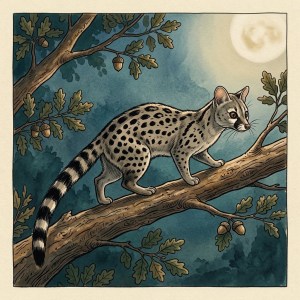
As a top predator, the lynx also keeps smaller predators in check. Where lynxes live there are fewer foxes and mongooses, which in turn take fewer rabbits and bird nests, so the whole landscape benefits.
Biggest danger: traffic. In 2025, 273 dead lynxes were found, 212 of them hit by vehicles. Drive slowly in lynx country, especially at dusk, and watch for the road signs with a lynx on them.
Card IV of IV
Stories & culture
From two dots on the map to a comeback
Around 2002 only two small groups of lynxes remained: in the Sierra Morena around Andújar and in Doñana. Spain and Portugal then launched a major rescue plan with European LIFE funding. Breeding centres were set up, such as El Acebuche in Doñana, and from 2010 wild-born and captive-bred lynxes were released into new areas. By 2025 lynxes lived in 26 areas across both countries. In 2024 the IUCN moved the species down a step on the Red List, from endangered to vulnerable.
In Spain the lynx has become a national symbol. It appears on road signs, stamps and in school books, and villages in the Sierra de Andújar now live partly from the nature tourists who come to see it.
Frequently asked questions
Questions about the Iberian lynx
How many Iberian lynxes are left?
The 2025 census counted at least 2,663 in Spain and Portugal, compared with fewer than a hundred in 2002.
Where is the best place to see an Iberian lynx?
The Sierra de Andújar in Andalusia, along the roads near the Jándula river and the El Encinarejo reservoir. December to February gives the best chance.
Is the Iberian lynx dangerous to people?
No. It is about the size of a large dog, shy, and hunts rabbits. No attacks on people are known.
How is it different from the Eurasian lynx?
The Iberian lynx is smaller, more boldly spotted, has a larger facial ruff and eats almost only rabbits. The Eurasian lynx mainly hunts deer.
Want to see one in the wild? Read our guide seeing the Iberian lynx: where and when in Spain, with the best spots in Andújar and how to watch without disturbing.
Read wildlife in Doñana.
Habitat · Spain