Guide · Spain · Mainly autumn to spring
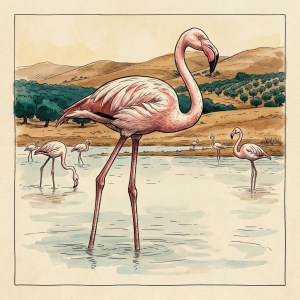
Doñana, at the mouth of the Guadalquivir between Seville and Huelva, is one of Europe’s largest wetlands: marshes, dunes, pine woods and one of the longest unspoilt beaches on the continent. Flamingos, Spanish imperial eagles and Iberian lynx live here, and in winter hundreds of thousands of waterbirds arrive.
Short answer: the National Park itself can only be visited on an organised 4×4 tour from El Acebuche or El Rocío. On your own, walk the trails at the El Acebuche, La Rocina, Palacio del Acebrón and José Antonio Valverde visitor centres, and scan the marsh from El Rocío’s promenade. Best from autumn to spring; avoid the El Rocío pilgrimage week around Pentecost.
| Place | What you see |
|---|---|
| El Rocío promenade | Flamingos, spoonbills and ducks |
| El Acebuche | Lagoons and an Iberian lynx lookout |
| José Antonio Valverde | Breeding colonies of herons, ibises and flamingos |
Frequently asked questions
Doñana
Can you enter Doñana National Park on your own?
No, the core can only be visited on an organised 4×4 tour, but there are free trails around the park.
When is the best time to visit Doñana?
Autumn to spring, when the marsh is full of water and birds.
Also read about the Iberian lynx and whale watching from Tarifa.