Guide · Bavarian Alps · All year
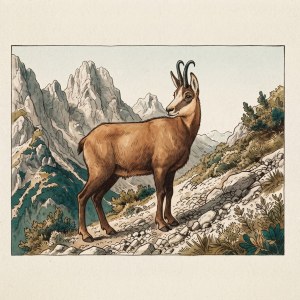
In the south-eastern tip of Germany, around the Königssee and the Watzmann, lies the only national park in the German Alps. Bearded vultures circle above the rock faces here again, chamois leap across the slopes and marmots whistle on the alpine meadows. This guide tells you where and when to look.
What can you see each season?
| Season | What to see |
|---|---|
| Spring | Chamois come down to lower slopes for the first green; golden eagles display above the valleys |
| Summer | The best walking season: marmots on the alpine meadows, chamois high in the rocks, and in June the release of young bearded vultures |
| Autumn | Young bearded vultures make their first long flights; the chamois rut starts in November |
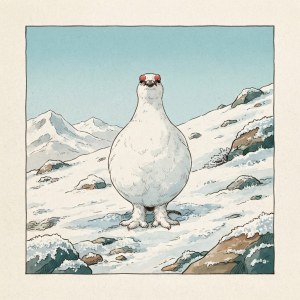
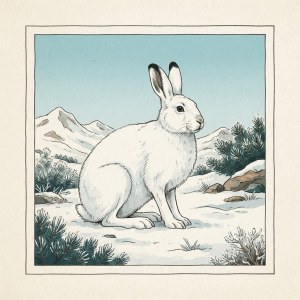
| Winter | Tracks of the mountain hare and the rock ptarmigan in the snow; both are white now |
The best places
- The Klausbach valley near Ramsau: the best valley in the park for seeing wildlife. Start at the Klausbachhaus information point by the Hintersee.
- The golden eagle viewpoint: about 20 minutes’ walk from the Klausbachhaus. With some luck you can see golden eagles here all year round.
- The Halsgrube bearded vulture information point: about an hour’s walk from the Klausbachhaus, with a few steep stretches. In good weather, until mid-October, staff with telescopes are here daily from 10 am to 4 pm to tell you about the bearded vultures released in the valley.
- The Haus der Berge visitor centre in Berchtesgaden: a large exhibition on the animals and landscapes of the park, ideal in bad weather and a good start to your visit.
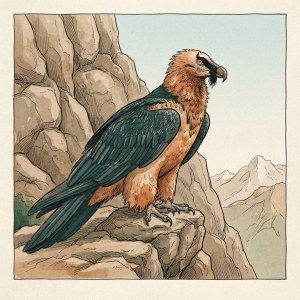
The return of the bearded vulture. Around 1900 the bearded vulture was wiped out in Germany. Since 2021 young bearded vultures have been released in the Klausbach valley every year, in a project of the national park and the Bavarian bird protection society. With their huge wings, spanning almost three metres, they are easy to recognise from afar in good weather.
Tips for your visit
| Best time | Early morning for chamois and marmots; around midday, when the air warms up, for eagles and vultures |
| Bring | Good binoculars, sturdy mountain boots, rain gear and a warm layer, even in summer |
| Behaviour | Stay on the paths, keep your dog on a lead and never approach animals |
| Winter | Respect the wildlife quiet zones: disturbance costs animals energy they badly need in winter |
You see chamois best if you set off early and walk slowly, stopping regularly to scan the slopes. Look for moving dots on the patches of grass between the rocks. Higher up in the rock faces live Alpine ibex too, but they take a proper climb. The rock ptarmigan and the mountain hare are the hardest: they are perfectly camouflaged and live high up and hidden.
Frequently asked questions
Questions about wildlife in Berchtesgaden
Where can you see bearded vultures in Germany?
In the Klausbach valley in Berchtesgaden National Park, where they have been released since 2021. At the Halsgrube information point, staff help you with telescopes in good weather.
When is the best time to visit Berchtesgaden?
From June to September, when the walking paths are free of snow and the marmots are active. The bearded vultures are easiest to see in summer and early autumn.
Where is the best place to start?
At the Klausbachhaus by the Hintersee near Ramsau, or at the Haus der Berge visitor centre in Berchtesgaden.
Can you see wildlife there in winter too?
Yes, but less easily. You mainly see tracks in the snow. Then make sure you stay on the paths and out of the wildlife quiet zones.
Habitat · Germany