Guide · The Netherlands · Winter
On a still winter morning, long skeins of geese fly honking from the water to the polders. In winter the Netherlands is the most important goose country in Europe: according to Sovon, the Dutch Centre for Field Ornithology, more than two million geese stay here at the peak. This guide tells you where to see them, when numbers peak, which species you will meet and how to watch them without disturbing them.
| Numbers | More than 2 million geese at the height of winter |
| Best months | December to February; the first groups arrive in October |
| Best time of day | Sunrise, when the geese fly from their roost to the meadows |
| Top area | South-west Friesland and the IJsselmeer coast |
| Most seen | White-fronted goose, barnacle goose and greylag goose |
Why do so many geese come to the Netherlands?
Most of the winter visitors breed on the tundras of Siberia, Scandinavia and the Arctic islands. In the Netherlands they find exactly what they need: a mild climate, endless protein-rich grass and crop leftovers to eat, and large open waters where they can sleep safely at night. That is why the largest groups are always in polders close to a lake, a river or the coast.
When can you see the most geese?
Not all species come and go at the same time. According to Vogelbescherming Nederland, the Dutch bird protection society, January and February are the peak months for winter geese. White-fronted geese now arrive later than they used to: since 2017 the large numbers only come well after October, because they stop over longer around the Baltic Sea.
| When | What happens |
|---|---|
| September – October | The pink-footed goose arrives first; the greylag goose is here all year |
| November | The large numbers of white-fronted geese and tundra bean geese arrive |
| December – February | Peak: the barnacle geese are now here in force too |
| March – April | Most winter visitors leave for the north again |
| May | The brent goose is the last to leave |
The best places to watch geese
South-west Friesland and the IJsselmeer coast
Friesland is the goose province of the Netherlands: a large share of all wintering geese stay here, most of them in the south-west. According to Vogelbescherming, 50,000 to 75,000 geese sometimes roost on the IJsselmeer at Gaast and at the Steile Bank near Oudemirdum. A walk or bike ride through the polders around the Frisian lakes in winter almost guarantees geese.
Lauwersmeer National Park
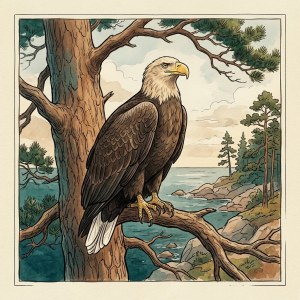
Thousands of geese spend the winter on the border of Friesland and Groningen. With some luck you will also see a white-tailed eagle over the water.
Oostvaardersplassen
Between Lelystad and Almere, large flocks of geese gather in winter. The hides, such as the Kleine and Grote Praambult, give you a good view over the marsh.
The river area and the Biesbosch
Along the big rivers, geese feed on the floodplains and fields. Around the Biesbosch you will see white-fronted geese, tundra bean geese and barnacle geese. In winter Staatsbosbeheer, the Dutch forestry service, runs guided excursions to see the waterbirds.
Zeeland
In Zeeland in winter you mainly see white-fronted geese, barnacle geese, brent geese, greylag geese and tundra bean geese. Good places are the Yerseke Moer, the Oude Veerseweg, the Verdronken Land van Saeftinghe and the Sint Laurense Weihoek.
The Wadden Islands: brent geese
The small, dark brent goose likes salt: salt marshes, brackish grasslands and the Wadden Sea itself. Your best chance of large flocks is on the polders of the Wadden Islands, such as Polder Zeeburg on Texel.
Which geese do you see in winter?
| Species | How to recognise it |
|---|---|
| White-fronted goose | White blaze at the base of the bill and black bars on the belly; the most numerous winter visitor |
| Barnacle goose | Small, with a white face, black neck and grey-and-black barred back |
| Greylag goose | Large and pale grey, with a thick orange bill; in the Netherlands all year |
| Tundra bean goose | Dark head and neck, dark bill with an orange band, orange legs |
| Pink-footed goose | Short bill with a pink band and pink legs |
| Brent goose | Small and dark, with a white patch on the neck; mainly on the coast |
| Red-breasted goose | Rare: a small, colourful goose with a rusty-red neck, usually among barnacle geese |
Tips for goose watching
| Time of day | Around sunrise the geese fly en masse from the water to the meadows; in the late afternoon they go back |
| Where to stand | Watch from the dyke, a hide or the car; don’t walk into the meadows |
| Distance | A flushed flock loses energy it badly needs in winter |
| Bring | Binoculars or a telescope, warm clothes and a hot drink |
| Quiet | Many goose areas are winter refuges: stay on the paths and keep your dog on a lead |
Found a dead or sick goose? Don’t touch it, and don’t let your dog near it, and report it to the local council. In winter bird flu can spread among waterbirds.
Frequently asked questions
Questions about goose watching
When is the best time to watch geese in the Netherlands?
From November to February, with the most geese in January and February. The first winter visitors arrive in October.
How many geese winter in the Netherlands?
According to Sovon, more than two million geese stay in the Netherlands at the height of winter. White-fronted and barnacle geese are the most numerous species.
Where can you see the most geese?
In south-west Friesland and along the IJsselmeer coast. The Lauwersmeer, the Oostvaardersplassen, the river area, the Biesbosch and Zeeland are good goose areas too.
What time should you go?
Around sunrise, when the geese fly in large flocks from their roost on the water to the meadows. In the late afternoon they fly back.
Why do geese winter in the Netherlands?
Because of the mild climate, the abundance of protein-rich grass and the large open waters where they can sleep safely at night.
Where can you see brent geese?
On the coast: in the Wadden area and the Zeeland Delta, for example on the polders of Texel. Brent geese stay the longest, until May.
How do you recognise a white-fronted goose?
By the white blaze at the base of the bill and the black bars on the belly.
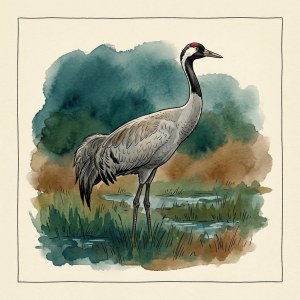
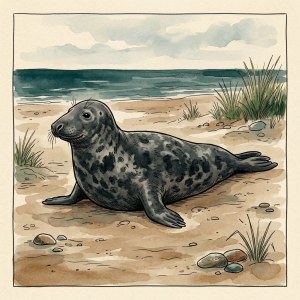
More winter nature? Read about the greylag goose, find out when to go seal spotting, visit the cranes in Germany in autumn, or see what happens in nature month by month in the seasonal calendar for the Netherlands.
Habitat · Germany