Guide · Germany · All year
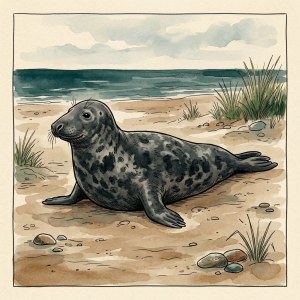
Helgoland is Germany’s only island in the open North Sea and one of Europe’s best places to see seals and seabirds up close. On the Düne, the sandy island next to the cliffs, hundreds of grey and harbour seals rest on the beach, while gannets and guillemots breed on the red cliffs.
Short answer: visit from November to January for grey seal pups on the Düne, and from April to July for breeding gannets and guillemots on the Lummenfelsen. The famous Lummensprung, when young guillemots leap from the cliff, is from mid-June to early July. Keep at least 30 metres from the seals.
| Place | What you see | Best time |
|---|---|---|
| The Düne | Hundreds of grey and harbour seals | All year; grey seal pups November to January |
| Lummenfelsen | Gannets, guillemots, kittiwakes, razorbills, fulmars | April to July |
Watch without disturbing
- Keep at least 30 metres away.
- Follow marked paths and ranger instructions in winter.
- Never step between a mother and her pup.
Frequently asked questions
Helgoland
When are the seal pups born on Helgoland?
Grey seal pups are born on the Düne from November to January.
When is the Lummensprung?
From mid-June to early July.
How do you get to Helgoland?
By boat from Cuxhaven, among other ports; in winter only from Cuxhaven.
Also read about the grey seal and crane watching in Germany.
Habitat · Germany