Guide · High Fens · All year
On the roof of Belgium, against the German border, lies a landscape that looks more like Scandinavia than the Ardennes: vast raised bog with purple moor grass, peat pools and crooked birches. Animals live here that you hardly see anywhere else in Belgium. This guide tells you what you can discover each season, and how to do it without damaging this fragile area.
What can you see each season?
| Season | What to see |
|---|---|
| March – April | Sky-blue male moor frogs in the peat pools, for a few days a year; the first adders bask at the edges |
| April – May | Display of the black grouse at sunrise, deep in the closed zones |
| Summer | Flowering cotton grass and sundew, dragonflies and lizards along the boardwalks |
| Autumn | Russet-coloured bog, roaring red deer in the surrounding forests |
| Winter | Often snow; a silent, white landscape with tracks in the snow |
The animals of the raised bog
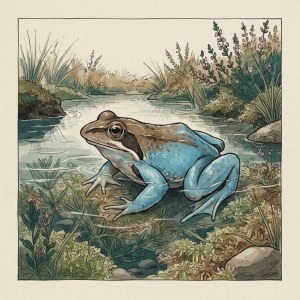
The moor frog is a small brown frog, but in early spring the males turn bright blue for a few days. On a sunny day in March or April you can see and hear them in groups in shallow peat pools: a soft, bubbling sound, like air escaping from a bottle.
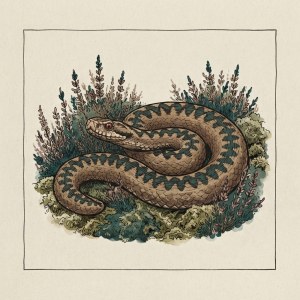
The adder is Belgium’s only venomous snake. On cool spring mornings it likes to bask in a warm spot along a path or in the heather. It is shy and flees when it feels you coming. Stay on the paths, watch where you walk and leave it alone: then there is no danger at all.
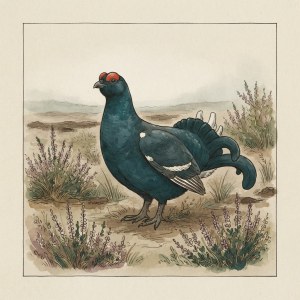
The black grouse is the symbol of the High Fens, and one of the rarest birds in Belgium. In 2015 only three were seen. Since 2017 black grouse from Sweden have been released every year, and in 2023 young were born again. The chance of seeing one is very small: they live in the quietest, closed parts of the bog. That is exactly why the access rules matter so much.
Where to walk
- Botrange: with the highest point in Belgium and a visitor centre, a logical starting point with maps and up-to-date information.
- The boardwalks: wooden walkways straight across the bog, such as in the Fagne Wallonne and the Noir Flohay. You keep your feet dry and the bog stays intact.
- Guided walks: parts of the reserve are only accessible with an approved guide. A guide takes you to places you could not otherwise visit, and tells you about the bog.
Access rules. The nature reserve is divided into zones: some are freely accessible on the paths, others only with a guide, and the most fragile zones are closed completely. If a red flag is flying, (part of) the bog is closed, for example because of fire risk in dry periods. Always stay on the marked paths and boardwalks, and leave your dog at home or keep it on a short lead. Check the current situation at the visitor centre before you set off.
Tips for your visit
| Weather | It is colder, wetter and mistier than in the rest of Belgium; the weather changes quickly |
| Bring | Waterproof shoes, rain gear, a warm layer and binoculars |
| Best time | Early in the morning: quiet and with the best chance of wildlife |
| Don’t | Leave the paths, pick plants or approach animals |
In autumn a walk on the bog combines well with the rut in the surrounding forests. Read our guide The red deer rut in the Ardennes as well.
Frequently asked questions
Questions about the High Fens
Can you see black grouse in the High Fens?
Very rarely. Only a few still live there, in the quietest and closed parts of the bog. You have the best chance with a guide, but don’t count on it.
When can you see blue moor frogs?
On sunny days in March or early April, but only for a few days a year. Look for shallow, sunny peat pools.
Are adders dangerous?
An adder only bites when it feels threatened. Stay on the paths, watch where you walk and leave it alone. If you are bitten anyway, stay calm and see a doctor straight away.
What does the red flag in the High Fens mean?
That (part of) the bog is closed, for example because of fire risk. Don’t go in, and choose another route.
Habitat · Belgium